
Estimated reading time: 0 minutes
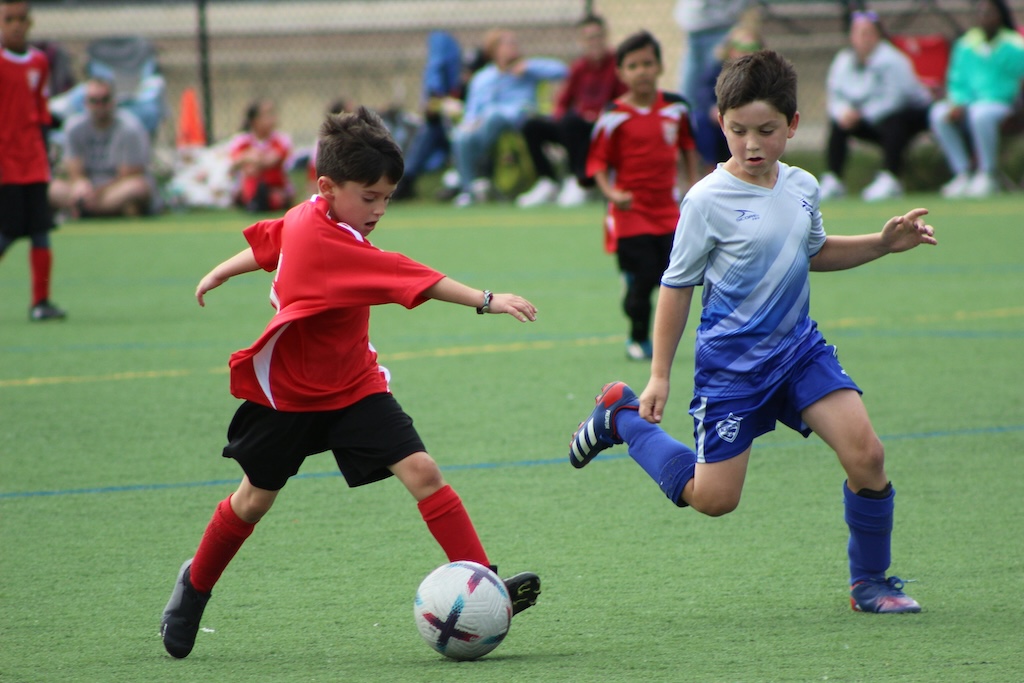
Sports are a great way for children and teens to stay active, build confidence and develop healthy habits. But whether your child plays hockey, soccer, basketball, volleyball, gymnastics or another sport, aches and injuries can be part of being active.
Some minor soreness settles quickly with rest. Other problems linger, keep coming back or begin to affect how a young athlete moves and performs.
So how do you know when a sports injury should be checked?
Sports Injuries Aren’t Always Caused by One Big Accident
When we think about a sports injury, we often picture a hard fall, collision or awkward landing. But many injuries in children and teens develop gradually.
Young athletes may experience problems related to:
- Falls or collisions
- Repetitive running, jumping or throwing
- Sudden increases in training
- Poor movement patterns or mechanics
- Muscle imbalances
- Limited joint movement
- Previous injuries that have not fully recovered
- Rapid growth combined with heavy sports participation
Growing bodies are not simply smaller versions of adult bodies. Bones, joints, muscles and the nervous system continue to develop throughout childhood and adolescence. Training and treatment should take those differences into account.
When Should Your Child See a Chiropractor After a Sports Injury?
Not every bump or sore muscle requires treatment. However, an assessment may be worthwhile if pain or changes in movement aren’t improving as expected.
Parents should consider having their child assessed if they notice:
- Pain that persists or keeps returning
- Neck or back pain after a fall or collision
- Pain that interferes with running, jumping or throwing
- Limping or favouring one side
- Reduced movement or stiffness
- Recurring headaches after sports or activity
- Difficulty returning to a sport after an injury
- A noticeable change in strength, balance or coordination
- An injury that seems to improve but returns once activity resumes
Sometimes the complaint isn’t simply “it hurts.” A young athlete may say that something feels tight, weak or just “not right.” Parents may also notice that their child isn’t moving the way they normally do.
Those changes can be worth investigating.
What Does a Chiropractor Look for?
At our Edmonton chiropractic clinic, I don’t look only at the location where a child feels pain.
A sports injury assessment may include looking at posture, joint movement, muscle function, balance, coordination and how different areas of the body work together.
This is where the term neuromusculoskeletal is useful. It simply refers to the relationship between the nerves, muscles and joints that allow the body to move and function.
The nervous system plays an important role in controlling movement, muscle activity and coordination. Chiropractic care considers these relationships rather than viewing a sore joint or muscle completely in isolation.
Depending on the injury, I may assess the spine as well as the shoulders, hips, knees, ankles or other joints involved in the athlete’s movements.
What Does Chiropractic Care for a Young Athlete Involve?
Care is based on the child’s age, size, stage of development, examination findings and the type of injury.
When appropriate, treatment may include:
- Chiropractic adjustments
- Gentle joint mobilization
- Muscle and soft-tissue techniques
- Stretching or mobility exercises
- Strengthening exercises
- Advice about activity and returning to sport
Techniques used with children are modified appropriately for their age, size and development.
The goal is not simply to make the painful area feel better. I also want to identify factors that may be affecting how the child moves and help them return to normal activity safely and confidently.
When Is Chiropractic Care Not the First Step?
One of the most important parts of assessing a sports injury is recognizing when something requires medical investigation.
Seek prompt medical attention for symptoms such as severe pain after significant trauma, an obvious deformity, inability to bear weight, significant swelling, loss of consciousness, worsening headache after a head injury, repeated vomiting, confusion, unusual drowsiness, or new weakness or numbness.
Suspected fractures, concussions and other significant injuries require appropriate medical assessment.
If I examine a young athlete and believe the problem requires imaging or evaluation by another health professional, I will recommend the appropriate referral.
What About Concussions?
Concussions deserve special attention in young athletes.
A concussion can occur after a blow to the head, but it can also happen after a hit to the body that causes the head and brain to move rapidly.
Symptoms may include headache, dizziness, nausea, balance problems, sensitivity to light or noise, difficulty concentrating, confusion or simply feeling “off.”
A child or teen with a suspected concussion should be removed from play and medically assessed before returning to sport.
Should Young Athletes See a Chiropractor Even If They Aren’t Injured?
Parents sometimes bring active children and teens to our office even when there hasn’t been one obvious injury.
Perhaps their child repeatedly complains of a sore back after hockey, develops knee discomfort while running, feels one hip tightening during soccer or simply isn’t moving as comfortably as before.
In these situations, an assessment can help determine whether there is a joint, muscle, nerve or movement-related issue that should be addressed.
It is also important not to assume that every ache in a growing athlete requires chiropractic treatment. Sometimes rest, changes in training, rehabilitation or assessment by another health professional may be more appropriate.
The first step is determining why the problem is occurring.
Helping Edmonton Kids Stay Active
I’ve been caring for children and families in Edmonton for many years, and I particularly enjoy helping active kids continue doing the things they love.
Sports and physical activity have enormous benefits for children. Our goal shouldn’t be to make kids afraid of getting hurt. It should be to recognize injuries when they occur, manage them appropriately and help young athletes return to activity safely.
If your child has developed back, neck, joint or muscle pain from sports – or an injury doesn’t seem to be resolving as expected – a chiropractic assessment can help determine what may be contributing to the problem and whether chiropractic care is appropriate.
Is your child dealing with a sports injury? Contact Collins Chiropractic Health & Wellness Centre in Edmonton to book an assessment with Dr. Dean Collins and find out what may be causing the problem and what the next step should be.

About Dr. Dean Collins
Dr. Dean Collins has been helping Edmonton patients improve their health through chiropractic care since 1998. With over 30 years of clinical experience, he has worked with patients of all ages, helping them reduce pain, improve mobility, and maintain healthier, more active lives. At Collins Chiropractic Health & Wellness Centre, Dr. Collins focuses on identifying the underlying causes of pain and dysfunction while providing personalized care, education, and practical strategies to support long-term health and wellness.
Learn more about Dr. Collins or book an appointment today.
For more information on how chiropractic care could help you, your family, or friend read our complete guide to chiropractic care.
Sign up for our Dr. Collins’ newsletters and blog posts
Sign up Dr. Collins’ newsletters to receive vital information on how to keep your spine and nervous system healthy as well as how to help optimize your health and avoid chronic illness.


Leave a Reply