
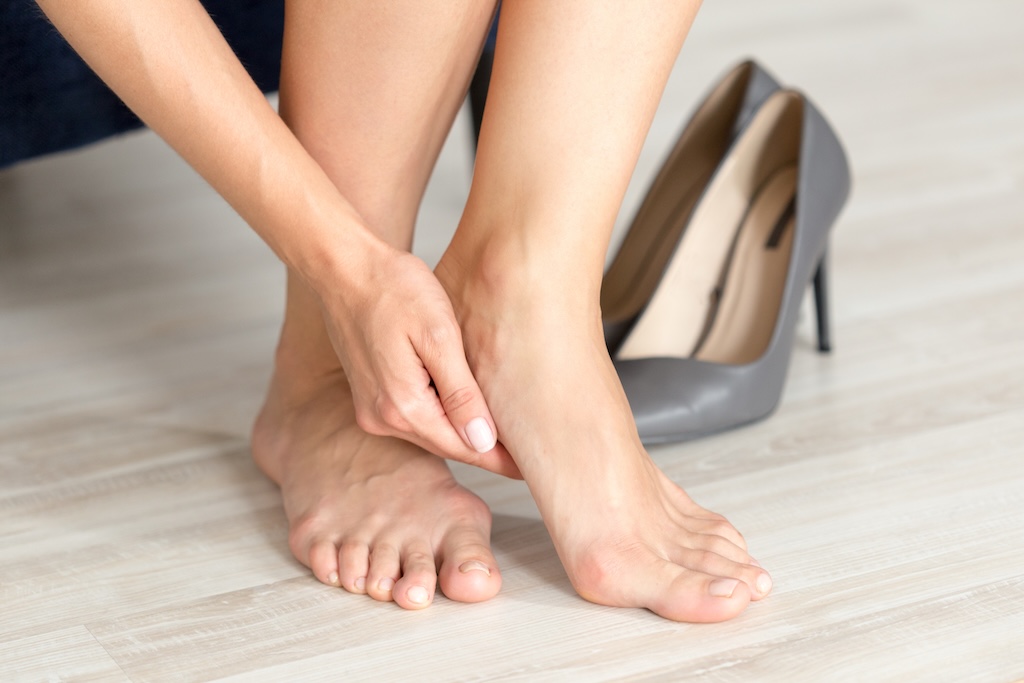
If the bottom of your foot hurts, the location of the pain can tell us a lot about what may be causing it.
Pain near the heel is often associated with plantar fasciitis. Pain through the arch may involve the plantar fascia or other muscles and tissues that support the foot. Pain closer to the toes can come from the metatarsal area, nerves, or other structures in the forefoot.
The key is figuring out where the pain is coming from and why that area is being overloaded.
Why Does the Bottom of My Foot Hurt?
Your feet manage considerable force every day.
Each time you walk, the foot must accept your body weight, adapt to the ground, support you, and then become firm enough to help propel you forward.
Running, jumping, prolonged standing, footwear, changes in activity, and the way your feet move can all alter those forces.
Common causes of pain on the bottom of the foot include:
- Plantar fasciitis
- Arch strain
- Metatarsalgia
- Flat-foot mechanics
- Morton’s neuroma
- Stress injuries
- Nerve irritation
- Calluses or plantar warts
- Poorly fitting footwear
Where you feel the pain helps narrow down the possibilities.
Pain Under the Heel
Pain underneath the heel is commonly associated with plantar fasciitis.
The plantar fascia runs along the bottom of the foot from the heel toward the toes and helps support your arch.
Plantar fascia pain often occurs near the inside of the heel. It may be particularly noticeable during your first few steps in the morning or when standing after sitting for a long time.
The pain can improve as you move, but return after prolonged standing or walking.
If this sounds familiar, read Why Does My Heel Hurt When I Walk?
Pain Through the Arch of the Foot
Pain through the middle or arch of the foot can have several causes.
The plantar fascia itself may be irritated. Muscles and tendons supporting the arch can also become overloaded.
Foot mechanics can contribute as well.
For example, a foot that rolls inward excessively during walking may place additional stress on certain tissues. However, simply having a low arch doesn’t mean something is wrong.
Many people have flat feet without pain.
The more useful question is whether the foot is moving efficiently and whether certain tissues are being repeatedly overloaded.
Why Does the Ball of My Foot Hurt?
Pain underneath the front of the foot, just behind the toes, is often described as metatarsalgia.
Rather than being one specific disease, metatarsalgia describes pain in the metatarsal region of the forefoot.
It may feel like:
- Aching or burning under the ball of the foot
- Sharp pain during walking
- Tenderness beneath one or more toes
- A sensation of having a pebble in your shoe
- Pain that becomes worse when barefoot on a hard surface
Running, jumping, certain foot shapes, worn or poorly fitting shoes, and increased pressure on the forefoot can contribute.
Could It Be Morton’s Neuroma?
Sometimes pain in the ball of the foot is related to irritation of a nerve between the metatarsal bones.
Morton’s neuroma most commonly affects the area between the third and fourth toes.
People may describe burning pain, tingling, numbness, or the feeling that something is inside their shoe.
Because nerve-related pain requires a different approach than plantar fascia or muscle pain, these details are important during an examination.
Can Flat Feet Make the Bottom of Your Feet Hurt?
They can contribute in some people, but flat feet aren’t automatically a problem.
What matters is how your feet function when you stand and walk.
If the arch collapses excessively or the foot isn’t controlling movement well, this can sometimes alter the load placed on the plantar fascia, muscles, tendons, and joints.
Foot mechanics can also influence what happens farther up the kinetic chain.
Your ankles, knees, hips, spine, and feet all work together when you walk.
This is one reason I don’t assess a painful foot in isolation.
Can Shoes Cause Pain on the Bottom of the Foot?
Absolutely.
Shoes influence how pressure is distributed across the foot.
Problems may occur when footwear is:
- Too narrow
- Too loose
- Worn out
- Poorly cushioned
- Unsuitable for your activity
- Significantly different from what you’re accustomed to wearing
Sometimes foot pain begins shortly after changing shoes, starting a new job that involves more standing, or increasing walking or running.
Those details can be surprisingly helpful when identifying the cause.
Do I Need Orthotics for Foot Pain?
Not necessarily.
Orthotics can be useful when foot mechanics or pressure distribution are contributing to the problem.
They may help support the foot and redistribute load.
However, I don’t believe everyone with foot pain needs custom orthotics.
Sometimes the more important issue is ankle mobility, muscle strength, footwear, training load, or another mechanical problem.
The decision should come after an appropriate assessment.
How We Assess Foot Pain at Our Edmonton Clinic
When assessing foot pain, I start by determining exactly where the symptoms are coming from.
I also want to know:
- When did the pain begin?
- Was there an injury?
- Is it worse first thing in the morning?
- Does walking make it better or worse?
- Have your activities recently changed?
- What type of footwear do you use?
- Is there numbness or tingling?
- Does the foot feel weak or unstable?
The examination may include the joints of the foot and ankle, arch mechanics, muscle strength, flexibility, balance, and walking mechanics.
I will also examine the knees, hips, and spine when the findings suggest they could be contributing.
This broader approach helps us understand why the foot hurts, rather than simply treating the location of the pain.
When Should Pain on the Bottom of Your Foot Be Checked?
Consider having persistent foot pain assessed when:
- It doesn’t improve with reasonable rest or activity modification
- Walking is becoming painful
- The pain keeps returning
- You are limping or changing how you walk
- You have persistent numbness, tingling, or burning
- There is significant swelling
- Pain followed an injury
- Your symptoms are interfering with exercise, work, or normal activities
Seek prompt medical attention for severe pain or swelling, inability to bear weight, a significant traumatic injury, or signs of infection.
Foot Pain Treatment in Edmonton
There isn’t one treatment that is appropriate for every painful foot.
At Collins Chiropractic Health & Wellness Centre, treatment is based on what we find during your assessment.
Depending on the cause, care may include adjustments, soft tissue therapy, mobility work, stretching, strengthening, balance exercises, activity modification, footwear advice, and custom foot orthotics when appropriate.
The goal is to improve function and reduce the mechanical stresses contributing to the problem.
If pain on the bottom of your foot is making walking or exercise uncomfortable, learn more about our Foot & Ankle Pain Treatment in Edmonton or contact our clinic for an assessment.
Frequently Asked Questions
Common possibilities include plantar fasciitis, arch strain, metatarsalgia, footwear problems, and other mechanical conditions. The location and type of pain can help determine the cause.
Plantar fasciitis is a common cause of pain underneath the heel, particularly when the first few steps after rest are painful. However, other conditions can also cause heel pain.
Metatarsalgia, excessive pressure on the forefoot, footwear, stress injuries, and nerve irritation such as Morton’s neuroma are among the possibilities.
Flat feet can contribute to altered loading in some people, but many people with flat feet have no symptoms. How the foot functions is more important than its appearance alone.
Some mechanical causes of foot pain may respond to chiropractic and rehabilitative care. An examination helps determine whether treatment is appropriate or whether further medical investigation or referral is needed.
Not sure what’s causing the pain on the bottom of your foot?
Persistent foot pain doesn’t have to be something you simply work around. Learn more about our Foot & Ankle Pain Treatment in Edmonton, or book an appointment with Dr. Collins to have your foot mechanics, mobility, and overall lower-limb function properly assessed.

About Dr. Dean Collins
Dr. Dean Collins has been helping Edmonton patients improve their health through chiropractic care since 1998. With over 30 years of clinical experience, he has worked with patients of all ages, helping them reduce pain, improve mobility, and maintain healthier, more active lives. At Collins Chiropractic Health & Wellness Centre, Dr. Collins focuses on identifying the underlying causes of pain and dysfunction while providing personalized care, education, and practical strategies to support long-term health and wellness.
Learn more about Dr. Collins or book an appointment today.
To learn more about how chiropractor care can help you and your family, read Dr. Collins’ comprehensive guide to chiropractic care: Chiropractic Care for Everyone.
Sign up for our Dr. Collins’ newsletters and blog posts
Sign up Dr. Collins’ newsletters to receive vital information on how to keep your spine and nervous system healthy as well as how to help optimize your health and avoid chronic illness.


Leave a Reply