
Estimated reading time: 8 minutes
Eating well doesn’t have to be complicated.
There are countless diets, meal plans, supplements, and conflicting nutrition recommendations available today. It can leave people wondering what they should actually eat.
I think we can make it much simpler.
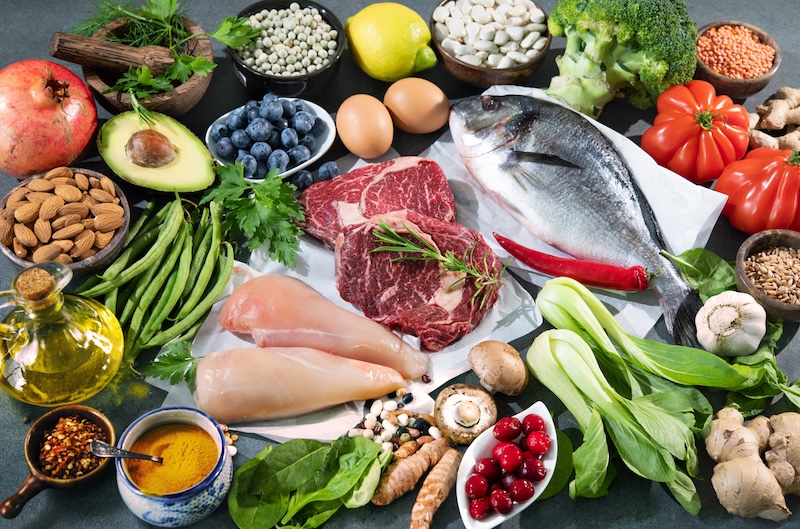
Start by eating real, nutrient-dense foods as often as possible. These are foods that are close to the way they are found in nature – meat, fish, eggs, vegetables, fruit, nuts, seeds, and other minimally processed foods.
Your body needs nutrients to produce energy, maintain muscle, repair tissues, and recover from the stresses of everyday life.
What you eat provides many of those building blocks.
Build Your Meals Around Real Food
One of the easiest ways to improve your diet is to look at what makes up most of your meals.
Try to regularly include foods such as:
- Meat, poultry, fish, and seafood
- Eggs
- A variety of vegetables
- Fresh fruit
- Nuts and seeds
- Potatoes, sweet potatoes, and other whole-food sources of carbohydrates
- Healthy fats such as coconut oil, olive oil and avocado
- Dairy products if you tolerate them well
You don’t have to eat perfectly. The goal is simply to have whole, minimally processed foods make up most of what you eat.
That’s a much easier principle to follow than constantly counting calories or trying to follow a complicated diet.
Make Protein a Priority
Protein is especially important as we get older or when we’re active, recovering from an injury, or trying to maintain strength.
Your body uses protein to maintain and repair muscles and other tissues.
Good sources include meat, fish, poultry, eggs, and dairy if tolerated. Nuts and seeds can also contribute some protein.
Rather than leaving most of your protein for supper, try including a good source of protein at each meal.
For example, breakfast might include eggs, lunch could include chicken or salmon with a salad, and supper might include beef, chicken, fish, or another protein along with vegetables and potatoes.
Related reading: Daily Protein Needs for Body Repair
Eat Plenty of Plants
Vegetables and fruit provide vitamins, minerals, fibre, and many other nutrients your body needs.
Rather than worrying about finding one particular “superfood,” aim for variety.
Leafy greens, broccoli, carrots, peppers, berries, apples, squash, potatoes, sweet potatoes, and other colourful fruits and vegetables can all be part of a healthy diet.
Different foods provide different nutrients, so eating a variety of whole foods is one of the simplest ways to improve the overall quality of your diet.
Reduce Highly Processed Foods
Eating well isn’t only about what you add to your diet. It’s also about what you eat less often.
The typical North American diet contains a lot of refined flour, refined sugar, highly processed snacks, sugary drinks, and packaged foods.
Foods such as candy, soft drinks, pastries, sugary cereals, chips, and many packaged convenience foods are easy to overeat while providing relatively little nutrition compared with whole foods.
You don’t have to swear off every treat forever.
Instead, think about what you eat most of the time.
If most of your meals are built around real food, the occasional dessert or restaurant meal isn’t going to undo an otherwise healthy diet.
Choose Fats from Real Foods
Fat is an important part of a healthy diet, but the source matters.
I generally recommend getting fats from foods such as:
- Coconut oil
- Pork lard
- Beef tallow
- Extra virgin olive oil
- Avocados
- Nuts and seeds
- Fish
- Eggs
- Meat
- Butter and other dairy fats if tolerated
These foods provide fat along with other important nutrients.
This is another reason I prefer focusing on whole foods rather than simply looking at nutrition labels and deciding whether a food is “high fat” or “low fat.”
Pay Attention to How Foods Make You Feel
Not everyone responds to every food the same way.
Dairy is a good example. It can be a nutritious food for people who tolerate it well, while others notice digestive problems or other symptoms when they consume it.
The same can be true for other foods. Read more: Foods that Cause Inflammation: 3 Food Toxins You Should Avoid
Instead of assuming that one diet is perfect for everyone, pay attention to how you feel, how your digestion is working, your energy levels, and how you recover.
If you suspect a particular food is causing problems, an elimination and reintroduction approach can sometimes help determine whether you tolerate it.
Related reading: What is the Paleo Diet and Could You Benefit From It?
Keep Healthy Eating Simple
You don’t need complicated recipes for every meal.
A simple plate might be:
Protein + vegetables + a whole-food carbohydrate + healthy fat
For example:
Meat + roasted vegetables + potatoes + olive oil
or
Eggs + vegetables + fruit + avocado
or
Salmon + broccoli + sweet potato + olive oil
That’s real food. It doesn’t need a marketing label.
And when meals are simple, eating well becomes much easier to maintain over the long term.
Don’t Rely on Supplements to Fix a Poor Diet
Supplements can sometimes be useful, but they should generally supplement a healthy diet rather than replace one.
Whole foods contain combinations of protein, vitamins, minerals, fats, fibre, and other nutrients that are difficult to reproduce in a pill or powder.
Start with food.
Then, when there is a specific reason to supplement, you can address that need more individually.
Small Changes Add Up
You don’t need to change everything you eat tomorrow.
Start with one meal.
Could you replace a processed breakfast with eggs and bacon? Could you add vegetables and protein to your lunch? Could you replace a sugary drink with water? Could you cook one more meal at home each week?
Do that consistently and then make another improvement.
Healthy eating isn’t about being perfect. It’s about creating habits you can maintain for years.
Eat Well to Give Your Body What It Needs
Your body is constantly working to maintain, repair, and rebuild itself.
Food provides many of the raw materials it needs to do that work.
Eating well won’t guarantee perfect health, and nutrition is only one part of a healthy lifestyle. Movement, sleep, recovery, stress, and addressing health problems early all matter too.
But choosing mostly nutrient-dense, real foods is one of the most practical things you can do every day to support your health.
Eat real food. Keep it simple. And make choices you can maintain for life.
Related reading: How to Help Your Body Heal Itself Naturally
Frequently Asked Questions
Real food generally means foods that are minimally processed and close to their natural form. Examples include meat, fish, eggs, vegetables, fruit, nuts, seeds, potatoes, and healthy fats such as coconut oil, olive oil and avocado.
No. You don’t need to give your diet a particular name. A Paleo-style diet is one approach that emphasizes nutrient-dense whole foods and limits highly processed foods. The bigger principle is to make real, minimally processed foods the foundation of your diet.
Not necessarily. Whole-food sources of carbohydrates such as fruit, potatoes, sweet potatoes, and vegetables can be part of a healthy diet. Your needs may vary depending on your activity level, health, and individual tolerance.
Daily protein requirements Protein needs vary depending on your body size, age, activity level, and goals. Rather than focusing on one number for everyone, a good starting point is to include a quality source of protein at each meal.
Read more: Daily Protein Needs for Body Repair
Dairy can be a nutrient-dense food if you tolerate it well. Some people don’t. Pay attention to how your body responds rather than assuming everyone needs to either consume or avoid dairy.
Start with one meal you eat regularly and improve it. Add a good source of protein, vegetables or fruit, and replace heavily processed foods with whole foods whenever possible. Once that becomes a habit, improve another meal.
Eat Well, One Meal at a Time
Eating well doesn’t have to mean following a perfect diet. Focus on real, nutrient-dense foods, include a good source of protein, eat plenty of vegetables and fruit, and limit highly processed foods. Small choices made consistently can have a much bigger impact than trying to overhaul everything at once.
Nutrition is also just one part of taking care of your body. Moving regularly, getting enough sleep and recovery, using better positions throughout the day, and addressing problems early all work together to support your long-term health.
Want more simple ways to take care of your body? Visit my Healthy Habits page for practical ideas you can use every day to move well, recover well, eat well, and stay healthier over time.

About Dr. Dean Collins
Dr. Dean Collins has been helping Edmonton patients improve their health through chiropractic care since 1998. With over 30 years of clinical experience, he has worked with patients of all ages, helping them reduce pain, improve mobility, and maintain healthier, more active lives. At Collins Chiropractic Health & Wellness Centre, Dr. Collins focuses on identifying the underlying causes of pain and dysfunction while providing personalized care, education, and practical strategies to support long-term health and wellness.
For more information on how chiropractic care could help you, your family, or friend read our complete guide to chiropractic care.
Sign up for our Dr. Collins’ newsletters and blog posts
Sign up Dr. Collins’ newsletters to receive vital information on how to keep your spine and nervous system healthy as well as how to help optimize your health and avoid chronic illness.


Leave a Reply