
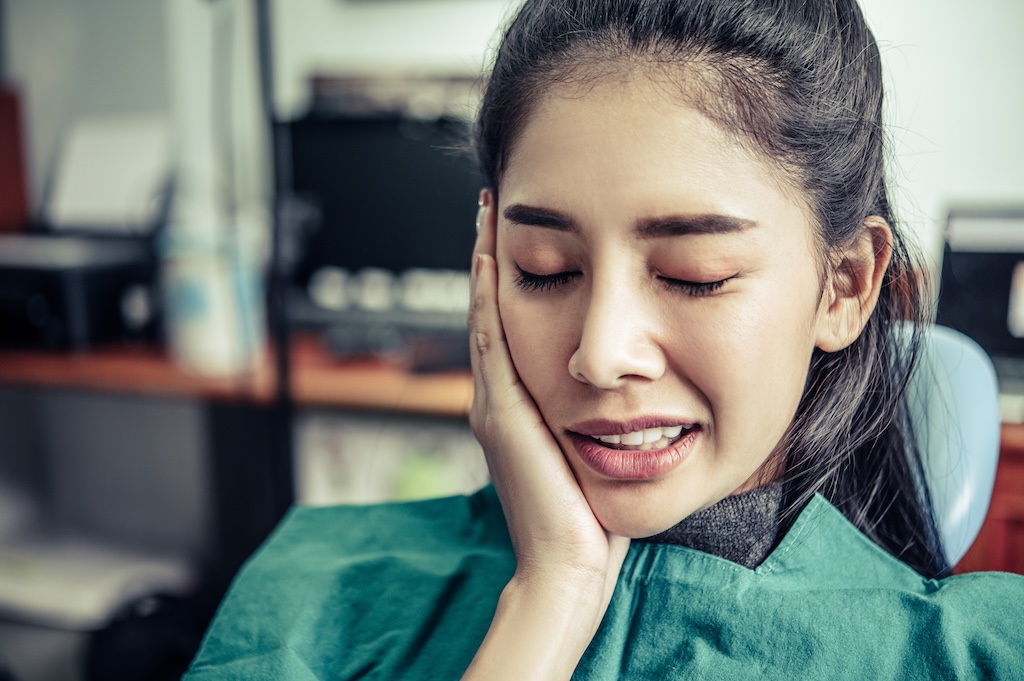
Does your jaw click, pop, or snap when you open your mouth, chew, or yawn?
Jaw clicking is surprisingly common. In many cases, a jaw that clicks without pain, locking, or difficulty moving isn’t necessarily a cause for concern. But clicking accompanied by pain, stiffness, headaches, limited movement, or a jaw that catches or locks may be associated with a temporomandibular disorder (TMD).
As an Edmonton chiropractor, I often look beyond the sound itself to determine how the jaw is moving and whether the muscles, temporomandibular joints, neck, or other factors may be contributing to the problem.
What Is the TMJ?
Your temporomandibular joints, or TMJs, are located just in front of each ear and connect your lower jaw to your skull.
These joints allow your jaw to open, close, and move from side to side when you talk, chew, swallow, and yawn.
A small disc within each joint helps the jaw move smoothly. The joints also rely on coordinated activity from the nerves and muscles that control the jaw.
Problems involving the joints, discs, nerves, muscles, or movement of the jaw are collectively known as temporomandibular disorders (TMD). Many people simply refer to these problems as “TMJ.”
Why Does My Jaw Click When I Open My Mouth?
One possible reason for jaw clicking when opening your mouth involves movement of the small disc within the temporomandibular joint.
Normally, the disc and jaw move together. In some people, the relationship between the disc and joint changes as the jaw opens and closes. This movement can produce a click or pop.
However, clicking doesn’t automatically mean something is damaged.
Jaw sounds without pain are common and often don’t require treatment. What matters more is whether the clicking is accompanied by other symptoms or changes in function.
What Can Cause a Clicking or Popping Jaw?
There isn’t one single cause of jaw clicking. Several factors may be involved.
Clenching or Grinding Your Teeth
Clenching and grinding can place additional stress on the jaw muscles and joints.
Some people grind their teeth while sleeping without realizing it. Others clench during the day, particularly while concentrating, driving, working, or feeling stressed.
Tight Jaw Muscles
The muscles responsible for chewing can become tight, tender, or overworked.
This may affect how comfortably and smoothly the jaw moves.
Injury or Trauma
A blow to the jaw, sports injury, motor vehicle collision, or other trauma can affect the TMJ and surrounding tissues.
Sometimes symptoms begin immediately. In other cases, people become aware of clicking or discomfort later.
Arthritis and Joint Changes
Like other joints in the body, the TMJ can be affected by arthritis and other joint changes.
Repetitive Stress
Frequent gum chewing, nail biting, chewing on pens, taking very large bites, or repeatedly opening the mouth widely may aggravate an already sensitive jaw.
When Is Jaw Clicking More Concerning?
A painless click by itself doesn’t necessarily mean you need treatment.
I’d pay more attention when the clicking or popping occurs along with:
- Jaw or facial pain
- Pain when chewing
- Jaw stiffness
- Difficulty opening your mouth fully
- Catching or locking
- A change in how the jaw moves
- Recurrent headaches
- Neck pain or stiffness
- Symptoms that are becoming progressively worse
A jaw that suddenly locks open or closed, significant swelling, severe pain following trauma, or other unusual symptoms should be medically or dentally assessed promptly.
Can Your Neck Be Related to Jaw Problems?
The jaw and neck are separate areas, but they don’t function completely independently.
The muscles and joints of the head, jaw, and cervical spine work together during normal movement, and some people with TMD also experience neck pain or headaches.
That doesn’t mean that every clicking jaw originates in the neck. It does mean that when someone has persistent jaw symptoms, examining only the TMJ may not always provide the complete picture.
When assessing patients with jaw problems in our Edmonton clinic, I may also examine cervical spine movement, muscle tension, posture, and other relevant areas depending on the person’s symptoms.
What Can You Do About a Clicking Jaw?
If the clicking is painless and your jaw moves normally, treatment may not be necessary.
If the area is irritated, some simple strategies may help:
- Temporarily avoid excessive gum chewing
- Avoid repeatedly opening your mouth extremely wide
- Reduce habits such as nail or pen biting
- Be conscious of daytime jaw clenching
- Choose easier-to-chew foods temporarily if chewing is uncomfortable
- Use appropriate jaw mobility exercises when indicated
The important point is not to become overly concerned simply because your jaw makes a sound.
If the clicking is painful, persistent, or associated with changes in movement, an assessment can help determine what may be contributing to it.
How Can Chiropractic Care Help with TMJ Problems?
Chiropractic care for TMJ problems isn’t simply about “adjusting the jaw.”
At Collins Chiropractic Health & Wellness Centre, assessment may include the jaw joints, jaw movement, chewing muscles, neck, and other relevant musculoskeletal factors.
Depending on the findings, treatment may include:
- Gentle TMJ mobilization or manual therapy
- Soft tissue treatment for tight or tender muscles
- Treatment of associated neck dysfunction
- Chiropractic adjustments when appropriate
- Jaw mobility and movement exercises
- Postural recommendations
- Home exercises and self-care strategies
Research into chronic TMD pain supports conservative approaches including mobilization, manual trigger-point therapy, supervised postural exercise, and jaw exercise and stretching.
When dental problems, significant joint disease, or other conditions are suspected, collaborative care or referral to a dentist, physician, or other appropriate provider may also be recommended.
Frequently Asked Questions
Jaw clicking without pain is common and doesn’t necessarily require treatment. Clicking becomes more important when it occurs with pain, stiffness, locking, restricted movement, or other symptoms.
The two temporomandibular joints don’t necessarily move identically. Changes in joint or disc movement, muscle function, previous injury, or other factors may cause clicking predominantly on one side.
Clenching can place additional stress on the jaw muscles and joints and may contribute to TMJ symptoms in some people.
No. I wouldn’t repeatedly force your jaw to click or pop. If it feels as though it needs to be “popped” frequently or movement is uncomfortable, having the area properly assessed is preferable to repeatedly forcing the joint.
Chiropractic and other conservative musculoskeletal approaches may be appropriate when clicking is associated with pain, muscle tension, restricted movement, or related neck dysfunction. Treatment should be based on an examination rather than the presence of a clicking sound alone.
Is Your Clicking Jaw Becoming Painful or Uncomfortable?
If jaw clicking is accompanied by pain, stiffness, headaches, difficulty chewing, or restricted movement, we can help determine what may be contributing to the problem. Learn more about our TMJ Pain Treatment in Edmonton, or book an appointment with Dr. Collins for a thorough assessment and personalized treatment plan.

About Dr. Dean Collins
Dr. Dean Collins has been helping Edmonton patients improve their health through chiropractic care since 1998. With over 30 years of clinical experience, he has worked with patients of all ages, helping them reduce pain, improve mobility, and maintain healthier, more active lives. At Collins Chiropractic Health & Wellness Centre, Dr. Collins focuses on identifying the underlying causes of pain and dysfunction while providing personalized care, education, and practical strategies to support long-term health and wellness.
Learn more about Dr. Collins or book an appointment today.
To learn more about how chiropractor care can help you and your family, read Dr. Collins’ comprehensive guide to chiropractic care: Chiropractic Care for Everyone.
Sign up for our Dr. Collins’ newsletters and blog posts
Sign up Dr. Collins’ newsletters to receive vital information on how to keep your spine and nervous system healthy as well as how to help optimize your health and avoid chronic illness.


Leave a Reply