
Estimated reading time: 6 minutes
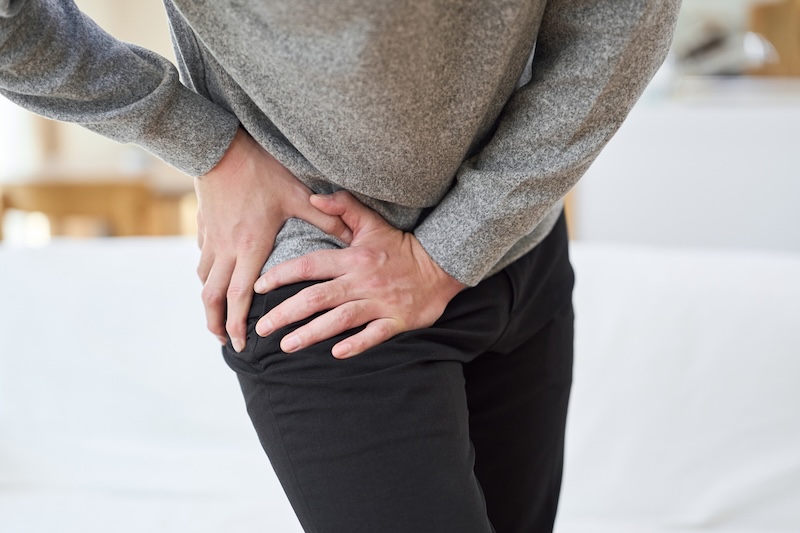
Hip pain when walking is frustrating. It can start as a mild annoyance, then slowly affect how far you walk, how fast you move, and even how confident you feel on your feet.
Many people in Edmonton notice this pain during simple activities. Walking the dog, grocery shopping, or even getting around the house can become uncomfortable.
The good news is that hip pain when walking is usually mechanical. That means something in the way your body is moving isn’t working properly. Once you understand the cause, you can start to correct it.
Common Reasons Your Hip Hurts When You Walk
There are several reasons your hip may hurt when walking. In many cases, it’s not just the hip itself causing the problem.
Some of the most common causes include:
- Muscle tightness or imbalance
- Irritation in the hip joint
- Hip bursitis (inflammation on the outside of the hip)
- Arthritis or joint wear over time
- Poor walking mechanics or posture
- Referred pain from the low back or pelvis
Often, these issues develop gradually. For example, prolonged sitting can tighten your hips, while weak muscles can change how your joints move. Over time, this creates stress and irritation.
As a result, every step you take can begin to aggravate the area.
Why Hip Pain Often Gets Worse the More You Walk
At first, your hip may only feel sore after longer walks. However, as the underlying issue continues, the pain often shows up sooner and lasts longer.
This happens because irritated joints and tissues don’t move smoothly. Instead, they become stiff, inflamed, and sensitive to load.
When you walk, your hip absorbs force with every step. If the joint or surrounding muscles are not working properly, that force is no longer distributed evenly.
As a result, certain areas become overloaded. Over time, this leads to more irritation, more stiffness, and more pain.
That’s why rest alone rarely fixes the problem. The underlying movement issue is still there.
Could Your Low Back Be Causing Your Hip Pain?
Many people are surprised to learn that hip pain when walking doesn’t always start in the hip.
The low back and pelvis play a major role in how your hips move. If there is stiffness, imbalance, or nerve irritation in these areas, it can refer pain into the hip.
In fact, some patients who think they have a hip problem actually have a back-related issue.
This is why a proper assessment matters. Looking only at the hip can miss the real cause of the problem.
If you’ve also noticed stiffness in your lower back or discomfort that travels, it may be worth exploring further. You can learn more on our back pain treatment page.
How Chiropractic Care Helps Hip Pain When Walking
Chiropractic care focuses on restoring proper movement and reducing irritation in the joints and muscles involved.
At our Edmonton clinic, we don’t just look at the hip. We assess how your spine, pelvis, and surrounding muscles are working together.
Care may include:
- Gentle joint adjustments (hip, pelvis, and spine)
- Soft tissue therapy to reduce tension
- Mobility and flexibility work
- Strengthening and rehab exercises
- Posture and movement guidance
As movement improves, stress on the hip decreases. This allows irritated tissues to settle down and heal more effectively.
Many patients notice that walking becomes more comfortable and natural again.
You can also learn more about our approach on our hip pain treatment page.
When Should You Get Your Hip Pain Checked?
If your hip hurts when you walk, it’s a sign your body is not moving as well as it should.
You should consider getting it checked if:
- The pain has lasted more than a few days
- It keeps coming back
- It is getting worse over time
- It is affecting your ability to stay active
- You are starting to change how you walk
Early care can make a big difference. Addressing the problem before it becomes more chronic often leads to faster and better results.
Don’t Let Hip Pain Limit Your Movement
Walking should feel natural and comfortable. When it doesn’t, your body is giving you useful information.
In many cases, hip pain when walking improves once the underlying cause is addressed. The key is identifying what’s not working and correcting it.
If you’re dealing with ongoing hip discomfort, it may be time to take the next step.
Book your visit today and start moving more comfortably again.
Frequently Asked Questions
It depends on the cause. Mild discomfort may be manageable, but pushing through ongoing pain can make things worse. If your symptoms persist, it’s best to have it assessed.
Hip bursitis often causes pain on the outside of the hip, especially when walking or lying on that side. However, other conditions can feel similar, so proper assessment is important.
Yes. Tight hip flexors, glutes, or surrounding muscles can change how your hip moves. This can increase stress on the joint and lead to pain over time.
Many patients notice changes within the first few visits. However, the timeline depends on how long the issue has been present and how your body responds to care.
Call Dr. Collins’ office now or book an appointment online to start your journey to hip pain relief.

About Dr. Dean Collins
Dr. Dean Collins has been helping Edmonton patients improve their health through chiropractic care since 1998. With over 30 years of clinical experience, he has worked with patients of all ages, helping them reduce pain, improve mobility, and maintain healthier, more active lives. At Collins Chiropractic Health & Wellness Centre, Dr. Collins focuses on identifying the underlying causes of pain and dysfunction while providing personalized care, education, and practical strategies to support long-term health and wellness.
Learn more about Dr. Collins or book an appointment today.
To learn more about how chiropractor care can help you and your family, read Dr. Collins’ comprehensive guide to chiropractic care: Chiropractic Care for Everyone.
Sign up for our Dr. Collins’ newsletters and blog posts
Sign up Dr. Collins’ newsletters to receive vital information on how to keep your spine and nervous system healthy as well as how to help optimize your health and avoid chronic illness.


Leave a Reply