
Estimated reading time: 7 minutes
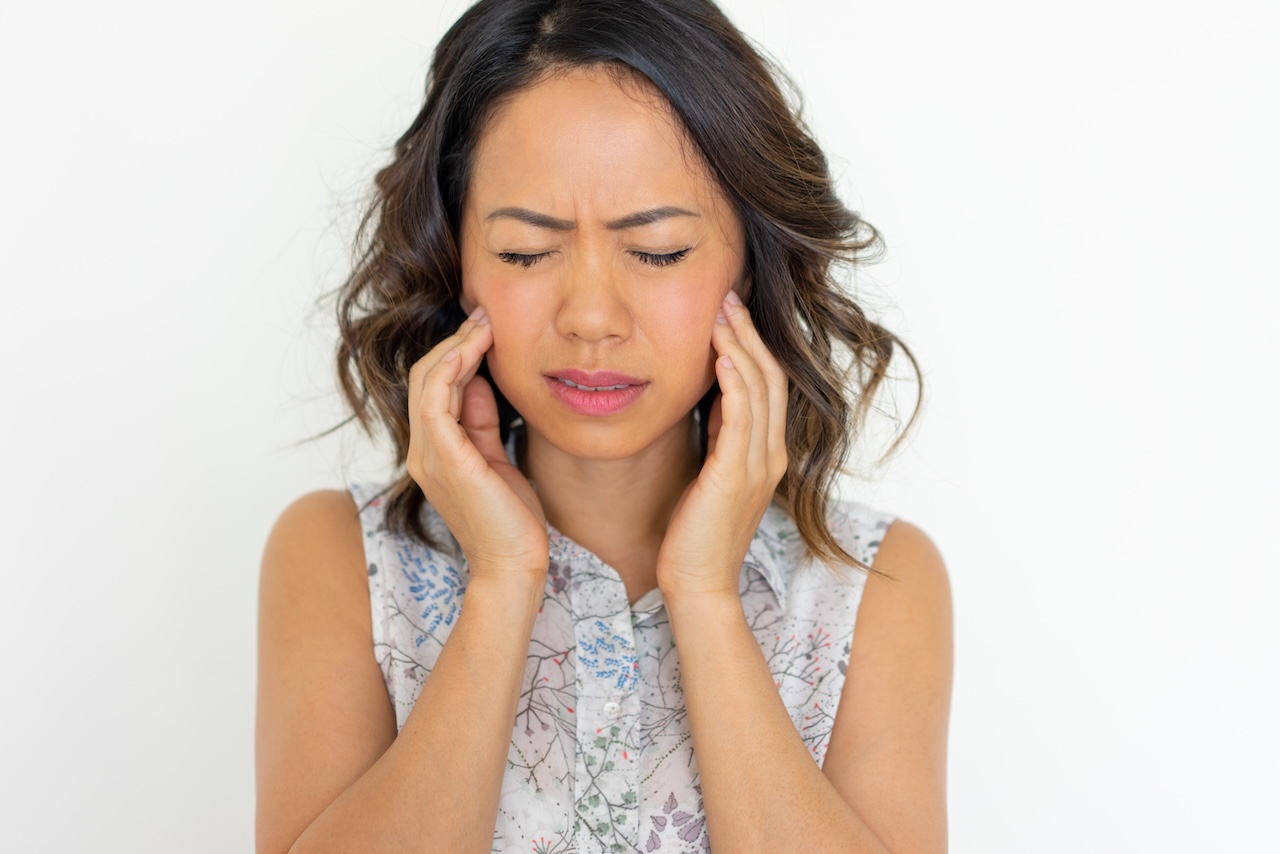
If you frequently experience headaches along with jaw pain, clenching, clicking, or facial tension, you may wonder: Can TMJ cause headaches?
Yes. Temporomandibular disorders (TMD) can be associated with headaches, and headache attributed to TMD is a recognized category of temporomandibular disorder.
However, headaches have many possible causes. Having jaw tension and headaches at the same time doesn’t automatically mean your TMJ is responsible.
The important question is whether dysfunction or pain involving your jaw and chewing muscles may be contributing to your particular headache pattern.
How Can TMJ Problems Contribute to Headaches?
Your temporomandibular joints are located just in front of your ears. They work with several muscles to open, close, and control your jaw.
Some of those muscles extend into the temple and surrounding areas of the head.
When the jaw muscles become painful, tense, or overworked, discomfort can sometimes be felt beyond the jaw itself.
This is one reason a TMJ-related problem can sometimes feel like a headache rather than simply “jaw pain.”
What Does a TMJ Headache Feel Like?
There isn’t one universal pattern.
Someone with TMD-related headaches may experience:
- Pain or pressure around the temples
- Jaw or facial aching
- Tender chewing muscles
- Headaches associated with jaw clenching
- Pain that becomes worse with chewing
- Jaw clicking or popping
- Jaw stiffness
- Difficulty opening the mouth comfortably
- Neck pain or stiffness
The combination of symptoms is often more informative than the location of the headache alone.
For example, recurring temple headaches accompanied by jaw tenderness and pain when chewing would make the jaw more relevant than a headache occurring without any jaw symptoms.
Can Clenching or Grinding Cause Headaches?
It can contribute.
Clenching requires sustained contraction of the muscles that close your jaw. If you frequently clench during the day or grind your teeth at night, those muscles can become overworked and tender.
Many people aren’t aware that they clench.
You might notice yourself doing it while:
- Working at a computer
- Driving
- Concentrating
- Exercising
- Feeling stressed
- Sleeping
If you regularly wake with jaw tightness or tenderness along with a morning headache, clenching or grinding is one possibility worth considering.
It isn’t the only possible cause, however, which is why persistent morning headaches should not automatically be labelled as TMJ.
What’s the Connection Between TMJ, Headaches, and Neck Pain?
Patients with jaw problems often tell me that they also experience neck tension or headaches.
There are anatomical and functional relationships between the jaw, muscles of the head and neck, and cervical spine.
This doesn’t mean that every headache is caused by the neck or jaw. Headaches are complex and can have many different causes.
But if someone comes into our Edmonton clinic with headaches as well as jaw pain, clenching, or TMJ symptoms, I think it makes sense to assess both the jaw and the neck rather than considering either area in isolation.
Could My Headache Be a Migraine Instead?
Possibly.
Migraine and TMD can occur together. Research has found an association between temporomandibular disorders and primary headaches, including migraine and tension-type headache.
An association, however, does not prove that one condition caused the other.
This is an important distinction.
A person with migraine may also have a TMD. Another person may experience a headache that is more directly related to painful jaw function.
Determining the difference requires looking at the complete pattern of symptoms rather than assuming every headache accompanied by jaw tension is a “TMJ headache.”
When Should Headaches Be Assessed?
Recurring or changing headaches deserve appropriate attention.
Seek prompt medical assessment for a sudden severe headache, a new headache following significant trauma, or a headache accompanied by symptoms such as weakness, confusion, fainting, fever, significant visual changes, difficulty speaking, or other unusual neurological symptoms.
For more typical recurring headaches, an assessment can help identify potential musculoskeletal contributors while determining whether medical or dental referral is appropriate.
How Do We Assess TMJ-Related Headaches?
When someone visits Collins Chiropractic Health & Wellness Centre with headaches and jaw symptoms, the examination is based on their individual presentation.
I may assess:
- Jaw opening and closing
- TMJ movement
- Tenderness of the chewing muscles
- Areas that reproduce familiar symptoms
- Jaw clenching or grinding history
- Cervical spine movement
- Neck muscle tension
- Posture and movement
- Previous injuries or trauma
One of the important questions is whether examining or using the jaw reproduces the person’s familiar headache symptoms.
Can Chiropractic Care Help?
When a headache has a musculoskeletal component involving the jaw, neck, or associated muscles, conservative treatment may be appropriate.
Depending on the examination findings, treatment may include:
- Treatment of tight or tender jaw muscles
- Treatment of associated neck dysfunction
- Chiropractic adjustments when appropriate
- Jaw exercises and stretching
- Postural exercises
- Advice for reducing aggravating habits
- Home exercises and self-care
Current clinical guidance for chronic TMD pain supports several conservative approaches, including therapist-assisted mobilization, manual trigger-point therapy, supervised jaw exercises, stretching, and postural exercise.
The goal isn’t simply to treat where you feel the headache. It’s to identify factors that may be contributing to it and develop an appropriate plan.
Frequently Asked Questions
TMJ-related headache symptoms are commonly associated with the temple or side of the head, although symptoms vary between individuals.
TMD can be associated with recurring or chronic headaches, but frequent headaches have many possible causes. Daily headaches should be properly assessed rather than automatically attributed to TMJ.
Headache location alone isn’t enough to determine its cause. Pain around or behind the eyes can occur with several headache disorders, so persistent or unusual symptoms warrant appropriate assessment.
Grinding or clenching may contribute to morning headaches in some people, particularly when they also wake with jaw or facial muscle tenderness. Other causes of morning headaches should also be considered.
It depends on what’s causing the problem. Musculoskeletal problems involving jaw movement, muscles, and the neck may benefit from conservative care, while tooth, bite, or other dental problems require dental assessment. Collaborative care is sometimes the best approach.
Dealing with Both Jaw Pain and Headaches?
If headaches are occurring along with jaw pain, clenching, clicking, or neck tension, a thorough assessment can help determine whether these problems may be related. Learn more about our TMJ Pain Treatment in Edmonton and Headaches & Migraine Relief, or book an appointment with Dr. Collins to have your symptoms properly assessed.

About Dr. Dean Collins
Dr. Dean Collins has been helping Edmonton patients improve their health through chiropractic care since 1998. With over 30 years of clinical experience, he has worked with patients of all ages, helping them reduce pain, improve mobility, and maintain healthier, more active lives. At Collins Chiropractic Health & Wellness Centre, Dr. Collins focuses on identifying the underlying causes of pain and dysfunction while providing personalized care, education, and practical strategies to support long-term health and wellness.
Learn more about Dr. Collins or book an appointment today.
To learn more about how chiropractor care can help you and your family, read Dr. Collins’ comprehensive guide to chiropractic care: Chiropractic Care for Everyone.
Sign up for our Dr. Collins’ newsletters and blog posts
Sign up Dr. Collins’ newsletters to receive vital information on how to keep your spine and nervous system healthy as well as how to help optimize your health and avoid chronic illness.


Leave a Reply