
Estimated reading time: 6 minutes
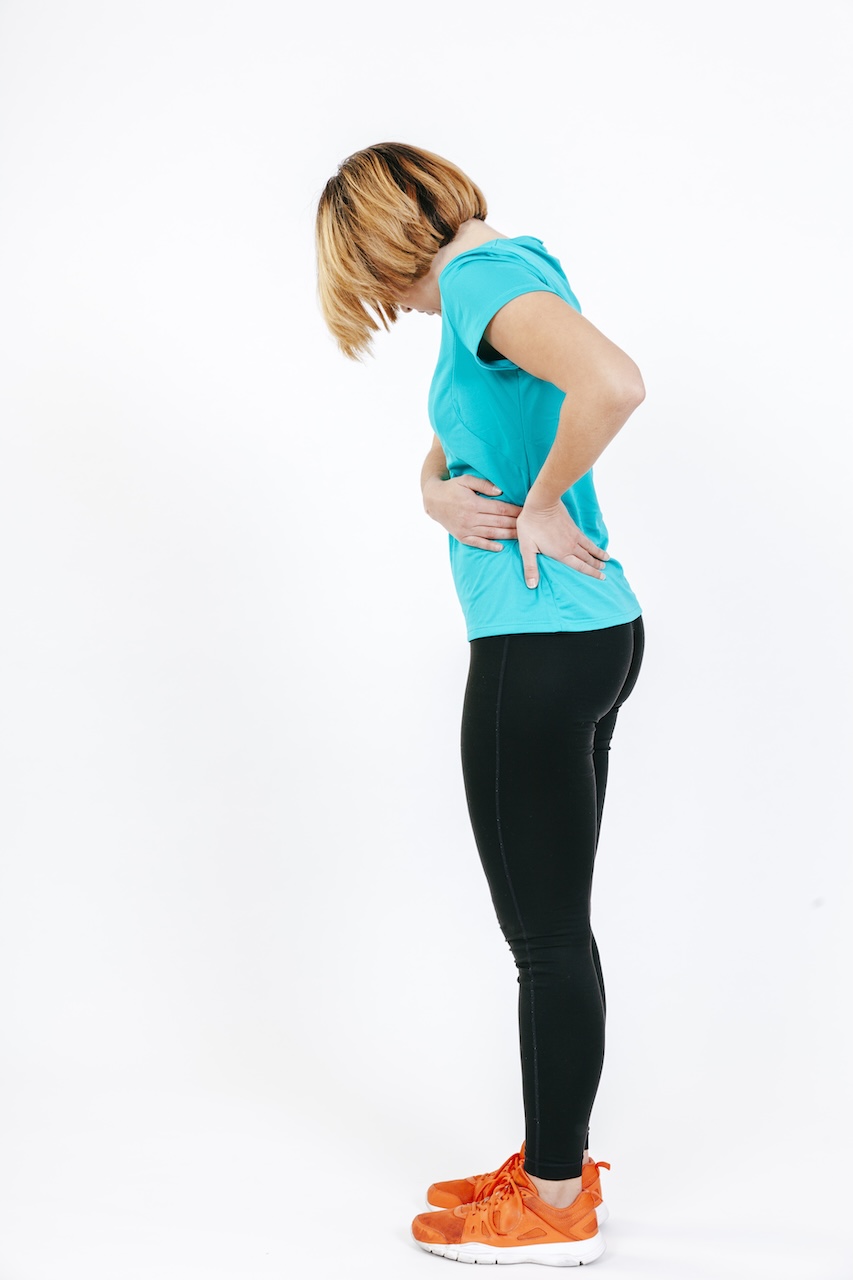
Hip pain is often assumed to come directly from the hip joint. That seems logical. But in many cases, the hip is not the true source of the problem.
Instead, the pain can originate in the low back or pelvis and then show up in the hip area.
This is something we see regularly in our Edmonton clinic. Patients come in thinking they have a hip problem, when the real issue is coming from how the spine and pelvis are functioning.
Understanding this connection can make a big difference in getting the right treatment.
Why the Low Back Can Cause Hip Pain
The low back and hips are closely connected through joints, muscles, and nerves. When one area is not moving properly, the other often compensates.
If there is nerve irritation or tension in the low back, it can affect the way your body distributes movement and load through the pelvis and hips.
This can lead to:
- Pain felt directly in the hip
- Tightness around the hip or groin
- Discomfort when walking or standing
- A deep aching sensation that is hard to pinpoint
In some cases, the hip itself is structurally fine. It is simply reacting to what is happening above it.
Nerve Irritation and Referred Hip Pain
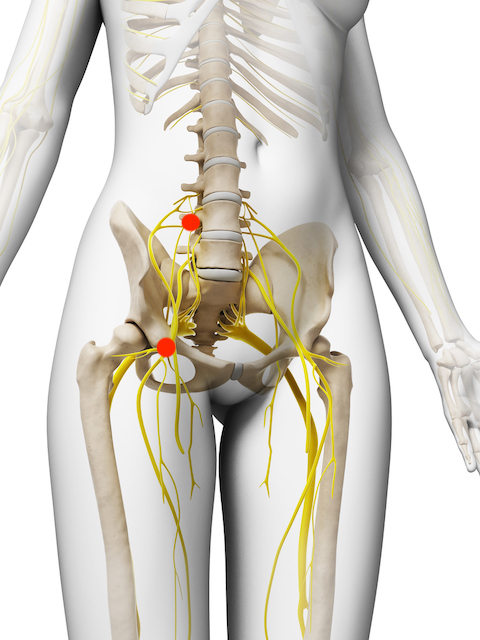
One of the most common ways the low back causes hip pain is through nerve irritation.
The nerves that exit the lower spine travel into the hip, buttock, and leg. If these nerves become irritated or compressed, pain can be “referred” into areas away from the actual source.
This means you may feel hip pain even though the problem is in the spine.
This type of pain can sometimes feel:
- Deep and aching
- Sharp with certain movements
- Worse with sitting or bending
- Variable from day to day
Because the pain location can be misleading, it’s easy to assume the hip is the problem when it is actually neurological in origin.
How to Tell If Your Hip Pain Is From Your Back
There are a few clues that suggest your hip pain may be coming from your low back or pelvis:
- You also have lower back stiffness or discomfort
- The pain changes with sitting, bending, or posture
- You feel symptoms in the buttock or down the leg
- Hip imaging has been normal, but symptoms persist
- Treatment focused only on the hip has not helped
These patterns suggest that the hip is being affected indirectly.
This is why a full assessment is so important. Looking at the hip alone can miss the real cause.
Why Treating Only the Hip May Not Be Enough
If the true source of the problem is in the low back or pelvis, treating only the hip often leads to temporary or incomplete relief.
You might reduce symptoms for a short time, but they tend to return because the underlying mechanics have not changed.
This is similar to masking a symptom with a drug without addressing the underlying cause of the symptom.
For longer-lasting improvement, both the hip and the areas that influence it – especially the spine and pelvis – need to be evaluated and treated together.
How Chiropractic Care Addresses Hip and Low Back Pain Together
Chiropractic care is well suited to this type of overlapping pain pattern because it focuses on how the body moves as a whole.
At our Edmonton clinic, we assess:
- The lumbar spine (low back)
- The pelvis and sacroiliac joints
- Hip joint mobility
- Muscle strength, balance and movement patterns
Treatment may include:
- Gentle spinal adjustments
- Hip and pelvic joint mobilization
- Soft tissue therapy for tight muscles
- Movement and stability exercises
- Postural and daily activity guidance
When the low back and hips start working together more efficiently, pressure and irritation often decrease in both areas.
You can learn more about our approach on our hip pain treatment page.
When to Get Your Hip Pain Checked
You should consider getting your hip pain assessed if:
- The pain has not improved with rest
- It keeps returning
- You also notice low back discomfort
- It affects walking, sitting, or sleep
- You are unsure where the pain is actually coming from
The longer these patterns persist, the more they tend to reinforce themselves.
Early assessment helps identify whether the hip, the spine, or both are involved.
Find the Real Source of Your Hip Pain
Hip pain is not always a hip problem.
In many cases, it is a movement or nerve issue involving the low back and pelvis that simply shows up in the hip region.
The key is not guessing – but properly assessing how your body is functioning as a system.
Once the true cause is identified, treatment becomes much more effective.
If you are dealing with ongoing hip pain, we can help determine where it is coming from and what needs to change.
Book your appointment today and take the first step toward lasting relief.
Frequently Asked Questions
Yes. The low back and hip are closely connected through joints and nerves. Irritation in the spine can easily refer pain into the hip region.
If you also have low back stiffness, pain that changes with posture, or symptoms that travel, the spine may be involved. A proper assessment is the best way to know for sure.
Sometimes it helps temporarily, but if the root cause is in the low back or pelvis, symptoms often return unless both areas are addressed.
Yes. Many people with hip pain actually have contributing factors from the low back or pelvis. It’s one of the most common patterns we see clinically.
Call Dr. Collins’ office now or book an appointment online to start your journey to hip pain relief.

About Dr. Dean Collins
Dr. Dean Collins has been helping Edmonton patients improve their health through chiropractic care since 1998. With over 30 years of clinical experience, he has worked with patients of all ages, helping them reduce pain, improve mobility, and maintain healthier, more active lives. At Collins Chiropractic Health & Wellness Centre, Dr. Collins focuses on identifying the underlying causes of pain and dysfunction while providing personalized care, education, and practical strategies to support long-term health and wellness.
Learn more about Dr. Collins or book an appointment today.
To learn more about how chiropractor care can help you and your family, read Dr. Collins’ comprehensive guide to chiropractic care: Chiropractic Care for Everyone.
Sign up for our Dr. Collins’ newsletters and blog posts
Sign up Dr. Collins’ newsletters to receive vital information on how to keep your spine and nervous system healthy as well as how to help optimize your health and avoid chronic illness.


Leave a Reply